
I Want To Remodel My House, Where Do I Start First?
If you are asking, i want to remodel my house where do i start the best place to begin is with a clear plan. Start by looking at what needs improvement most, set a realistic budget, create a simple checklist for remodeling a house, and decide whether you need professional help. A successful remodel takes planning, patience, and smart decisions from the beginning.
Home remodeling can feel exciting and stressful at the same time. Many homeowners want better comfort, more space, updated designs, or improved home value. Still, most people feel confused before the work even starts. They worry about costs, timelines, mistakes, and where to begin first.
The good news is that remodeling a home becomes much easier when you break the project into smaller steps. A clear plan helps you stay organized and avoid expensive problems later. Whether you want small updates or a full house renovation, understanding the process helps you make smarter decisions from day one.
This guide explains where to start when remodeling a home, how to plan a home renovation, and how to move through the process with confidence.
Why So Many Homeowners Feel Overwhelmed Before Starting a Remodel
Many homeowners dream about redesigning a home for years before they finally begin. They save inspiration online, watch home improvement shows, and think about renovation ideas every day. But once the project becomes real, stress often follows.
One reason people feel overwhelmed is because there are so many choices. You must think about layouts, flooring, lighting, cabinets, paint colors, and materials. On top of that, homeowners also need to think about budgets, permits, and timelines.
Some families start a home renovation process without a full plan. They rush into demolition before understanding the complete cost or order of renovations in a house. This often creates delays and frustration later.
Another challenge is that many older homes hide problems behind walls or under floors. Water damage, outdated wiring, or weak structures can appear after work begins. These surprise repairs increase costs quickly.
Homeowners also worry about making mistakes that hurt property value. That is why careful planning matters so much before starting any renovation project.
I Want To Remodel My House Where Do I Start?
The first step is simple. Walk through your home slowly and write down everything you want to improve. Focus on problems that affect comfort, safety, storage, or daily living.
Some homeowners need more kitchen space. Others want better bathrooms, improved lighting, or open floor plans. Make a list of must have upgrades and separate them from optional improvements.
Next, decide what type of remodeling project you want. A small update looks very different from a whole house renovation. Knowing your goals early helps guide every future decision.
After that, think about your budget. Many people search for how much does it cost to fully renovate a house before they understand what work they truly need. Costs change based on materials, labor, and the condition of the property.
You should also decide if you will stay in the home during construction. Some remodeling projects create dust, noise, and temporary loss of water or electricity.
Many homeowners ask where to start when remodeling a home because they want to avoid wasting time or money. The answer is always the same. Start with planning before demolition begins.
How To Plan A Home Renovation Without Stress

Learning how to plan a home renovation helps reduce confusion later. Good planning keeps the project organized and helps everyone stay on the same page.
Start by setting clear goals for the remodel. Ask yourself what problems you want the renovation to solve. Maybe the home feels outdated. Maybe your family needs more storage or better room layouts.
After setting goals, create a rough timeline. Understand that remodeling takes time. Even simple home renovations may face delays because of weather, materials, or permit approvals.
Next, build a realistic budget. Include labor, materials, design costs, and emergency funds for hidden repairs. Many experienced contractors suggest saving extra money for unexpected problems during renovation work.
Research products carefully before buying them. Cabinets, flooring, countertops, and fixtures all affect your final budget. Choosing materials early prevents delays later.
A home renovation checklist can also help keep the project moving smoothly. Lists help homeowners track tasks, appointments, and important decisions.
Professional remodeling teams often help homeowners organize projects more efficiently. Experienced contractors understand timelines, building codes, and renovation advice that prevents costly mistakes.
Where To Start When Remodeling A Home For Better Results
The order of remodeling matters more than many homeowners realize. Starting projects in the wrong order often creates extra work and higher costs.
Structural repairs should always come first. Roof damage, foundation problems, plumbing leaks, or electrical issues need attention before cosmetic upgrades begin.
After structural work, focus on systems hidden behind walls. Plumbing, electrical wiring, and HVAC updates should happen before drywall and paint.
Kitchens and bathrooms usually come next because they involve multiple systems working together. These rooms often need plumbing, cabinets, lighting, flooring, and ventilation updates at the same time.
Flooring and paint should happen near the end of the project. Installing them too early increases the risk of damage during construction.
Homeowners often search for order of remodeling a house because proper timing protects the final results. Planning each stage correctly helps the project move faster and reduces stress.
A smart remodeling plan also keeps your budget under better control. When work happens in the correct order, contractors can avoid repeating tasks or undoing completed work.
Checklist For Remodeling A House Before Construction Begins

Creating a checklist for remodeling a house helps homeowners stay organized from beginning to end. Even smaller projects become easier when every step is planned carefully.
Start with these important tasks before construction begins:
Set clear renovation goals
Create a realistic budget
Research renovation ideas
Choose materials and finishes
Hire experienced contractors
Review permits and inspections
Build a project timeline
Prepare for temporary disruptions
Protect furniture and valuables
Plan for unexpected repair costs
A complete home remodel checklist should also include communication plans. Homeowners should know who to contact during each stage of the renovation process.
Photos and measurements also help avoid confusion later. Taking pictures before work starts creates helpful records of the home’s original condition.
Many homeowners forget to think about storage during remodeling projects. Construction materials, tools, and furniture may need temporary space while work continues.
Planning ahead saves time and reduces stress once the project begins.
Choosing Between DIY Renovation And Hiring Professionals
Many homeowners enjoy DIY renovation projects because they want to save money. Painting walls, changing hardware, or installing shelves may work well for skilled homeowners.
Still, larger remodeling projects often require professional experience. Plumbing, electrical systems, roofing, and structural work involve safety risks and building codes.
Trying to handle complex projects without experience may create expensive mistakes later. Poor installation can damage the home and lower property value.
Professional contractors also understand the home renovation process better. They know how to schedule projects, manage inspections, and solve unexpected problems quickly.
Some homeowners choose a mix of both approaches. They hire professionals for technical work while handling smaller cosmetic upgrades themselves.
When deciding between DIY renovation and professional remodeling, always think about safety, time, and long term quality. Saving money upfront sometimes leads to larger repair costs later.
Experienced remodeling professionals also help homeowners make smarter material choices based on durability and maintenance needs.
How To Create A Realistic Budget For A Full House Renovation
Budget planning is one of the most important parts of remodeling a home. Many people underestimate costs because they only think about visible upgrades.
A full house renovation usually includes labor, demolition, permits, materials, disposal fees, and unexpected repairs. Older homes may also need plumbing or electrical upgrades during construction.
Start by listing every part of the project. Separate essential repairs from optional design upgrades. This helps homeowners prioritize spending more carefully.
Research material prices before final decisions. Flooring, cabinets, tile, and countertops vary greatly in price depending on quality and style.
Many homeowners ask how much is a full house renovation because costs can change so much from one project to another. The size of the home, project complexity, and local labor rates all affect pricing.
Experts often recommend keeping an emergency fund for hidden repairs. Water damage, mold, or outdated wiring can appear after demolition begins.
Good budgeting also helps homeowners avoid unfinished projects. Careful planning keeps remodeling moving forward without major financial stress.
Common Remodeling Mistakes That Slow Down Renovation Projects
Starting Renovation Work Without A Clear Plan
Many homeowners begin remodeling too quickly because they feel excited about changing their home. They may start tearing out cabinets or walls before creating a full remodeling plan. This often leads to confusion, wasted money, and unfinished work.
A clear plan helps homeowners understand the order of remodeling a house, expected costs, and project timelines. Planning first also helps prevent stressful surprises later.
Ignoring The Real Budget Of A Renovation Project
One of the biggest remodeling mistakes is underestimating costs. Some homeowners only budget for visible upgrades like flooring or paint but forget about labor, permits, plumbing, or electrical work.
Unexpected repairs can also appear during demolition. Water damage, mold, or outdated systems often increase the final price. A smart renovation budget should always include extra emergency funds.
Choosing Cheap Materials To Save Money
Lower priced materials may seem like a smart choice in the beginning, but they often wear out faster. Cheap flooring, cabinets, or fixtures may crack, fade, or break after only a few years.
Good quality materials usually last longer and help homeowners avoid future repair costs. Durable products also improve comfort and long term home value.
Changing Designs In The Middle Of Construction
Changing layouts or materials after construction starts can create major delays. For example, moving plumbing lines or replacing selected flooring may require extra labor and new materials.
Frequent changes slow down the home renovation process and increase project costs. Homeowners should make important decisions early whenever possible.
Trying To Do Everything As A DIY Renovation
DIY renovation projects can work well for simple updates like painting or installing shelves. However, some homeowners try to handle electrical work, plumbing, or structural repairs without enough experience.
This can create safety risks and expensive mistakes. Professional contractors understand building codes, inspections, and proper installation methods that protect the home long term.
Skipping Permits And Home Inspections
Some homeowners try to save time by avoiding permits or inspections. This often creates bigger problems later, especially when selling the property.
Permits help make sure renovation work follows safety rules and local building codes. Inspections also help catch hidden issues before they become larger repairs.
Focusing Only On Appearance Instead Of Function
Beautiful designs matter, but function matters just as much. Some homeowners focus only on trendy styles without thinking about storage, lighting, or daily use.
Smart home remodeling projects improve comfort, movement, and functionality along with appearance. A well planned space should look good and make everyday life easier.
Setting Unrealistic Remodeling Timelines
Many homeowners expect renovations to finish very quickly. In reality, remodeling takes time, especially during full house renovation projects.
Material delays, weather problems, inspections, and hidden repairs can all affect timelines. Patient planning helps reduce frustration during the remodeling process.
Smart Home Renovation Ideas That Improve Daily Living
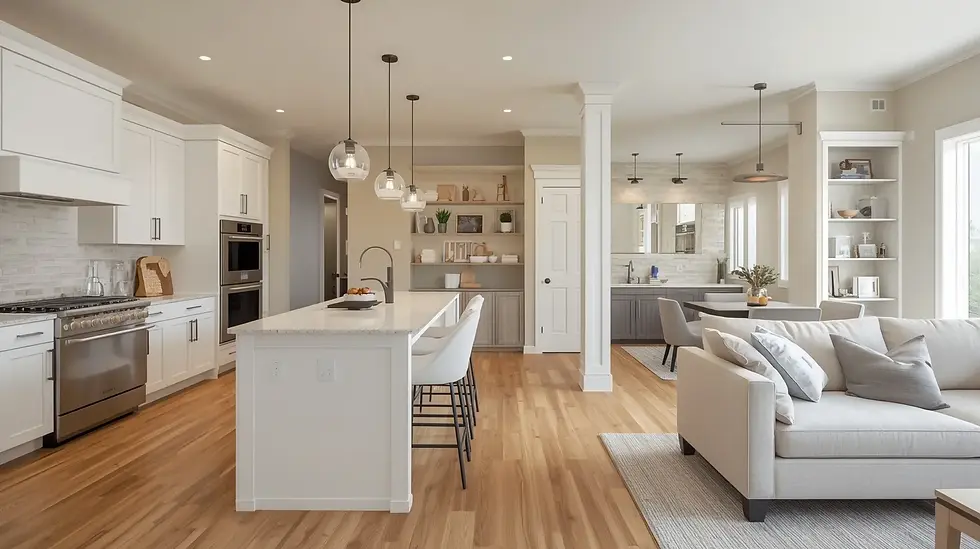
The best renovation ideas improve both comfort and function. A beautiful home should also make everyday life easier.
Many homeowners focus on kitchen updates because kitchens serve as the center of the home. Better storage, improved lighting, and larger workspaces help families daily.
Bathroom upgrades also improve comfort. Modern showers, better ventilation, and improved layouts create more relaxing spaces.
Open floor plans remain popular because they create brighter and more connected living areas. Removing unnecessary walls can make smaller homes feel larger.
Energy efficient windows, insulation, and lighting also improve comfort while lowering monthly utility costs.
Storage solutions continue to be important during home remodeling projects. Built in shelves, larger closets, and smarter layouts help reduce clutter.
Some homeowners also choose simple home renovations like fresh paint, updated flooring, or new fixtures. Smaller changes can still create a major difference in how a home feels.
Smart remodeling decisions focus on long term comfort, durability, and functionality instead of temporary design trends.
Remodeling Older Homes And Properties That Need Renovation In East Tawas, MI
Older homes often bring charm and character that newer homes cannot match. Still, they also come with unique remodeling challenges.
Many older properties have outdated plumbing, electrical systems, or insulation. Some homes may also contain hidden water damage or structural wear after many years of use.
Homeowners should inspect older homes carefully before starting major remodeling projects. Professional inspections help identify problems early and reduce surprise costs later.
Layout updates are also common in older homes. Many families want larger kitchens, open living areas, or improved storage space.
Some homeowners buy old homes because they see long term value in renovation projects. Others simply want to preserve the character of older properties while improving comfort and safety.
Careful planning matters even more when working on homes that need renovation. A strong remodeling plan helps homeowners balance modern upgrades with the original style of the property.
Building A Clear Remodeling Plan With Revord Builders Inc
A successful remodel starts with a clear vision and realistic expectations. Homeowners who take time to plan carefully often enjoy smoother renovation experiences and better final results.
The remodeling process may feel overwhelming at first, but breaking projects into smaller steps makes everything easier to manage. From budgeting and planning to timelines and material choices, every decision plays an important role.
Working with experienced professionals also helps homeowners avoid costly mistakes and unnecessary stress. Strong communication, organized planning, and quality workmanship create better outcomes throughout the renovation process.
Revord Builders Inc understands that every home and family has different goals. Some homeowners want more function, while others want updated styles or improved comfort. Careful planning helps turn those goals into practical remodeling solutions that last for years.
Whether you are planning small updates or a complete home remodel, starting with the right plan makes a major difference. A thoughtful approach helps protect your investment and creates a home that better fits your daily life.
If you are ready to begin your remodeling journey, Revord Builders Inc can help guide you through the process with professional support, clear communication, and practical renovation solutions built around your goals.


Comments